

An independent interview series created by VESNA® founder Kate Kolody brings together professionals from science, architecture, business, and the arts to examine how experience shapes the way people think, solve problems, and make decisions.
At VESNA®, our work begins with understanding decisions: what influences them, what prevents them, and how the surrounding experience changes their outcome. Over the years, this approach has shaped our work in commercial strategy, product development, and experience architecture. Yet the questions at its foundation extend far beyond commerce. How do people recognize the real problem beneath its visible symptoms? What enables them to make decisions when information is incomplete, resources are limited, or familiar methods no longer work? And how does professional experience change the way they interpret the world?
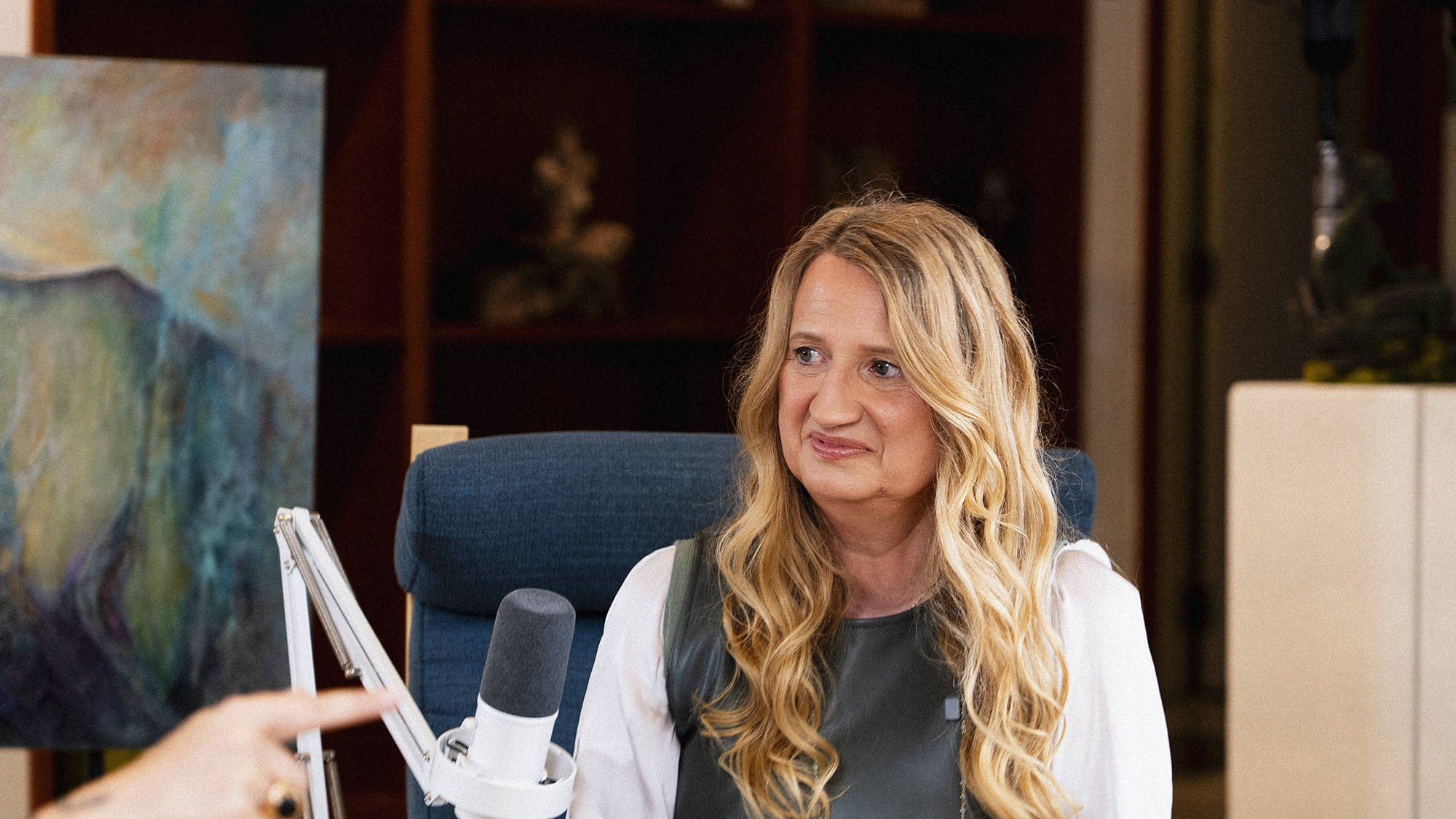
These questions inspired The White Room, an independent interview series created, produced, and hosted by VESNA® founder Kate Kolody in Santa Barbara, California. Rather than concentrating on professional achievements or following a conventional biographical format, the series examines the thinking behind them. Each conversation is developed individually around the guest’s career, significant projects, difficult decisions, and personal experiences, with particular attention to principles that may be useful beyond their original field.
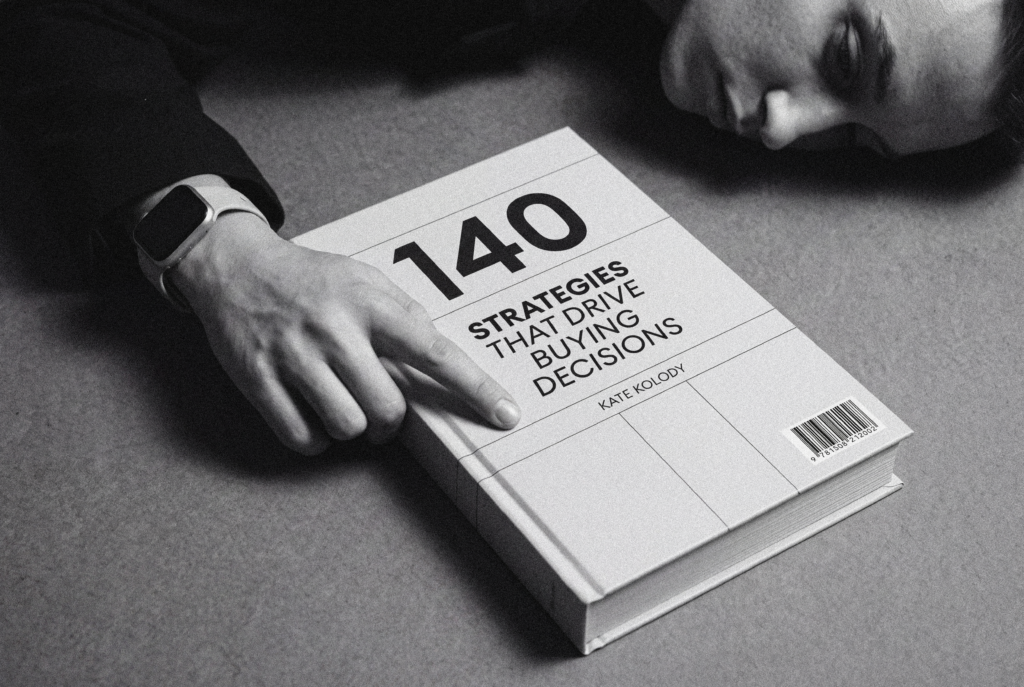
The project represents a natural extension of the intellectual framework behind VESNA®. Kolody’s work as a commercial strategist and Commercial Experience Architect has focused on understanding the mechanisms that influence human choices, including through the development of the DEXI® methodology and her book, 140 Strategies That Drive Buying Decisions. Where VESNA® applies these principles to commercial environments, The White Room explores how professionals in different disciplines develop their own methods of reasoning, judgment, and problem-solving.
The First Conversations: Science, Art, and Architecture
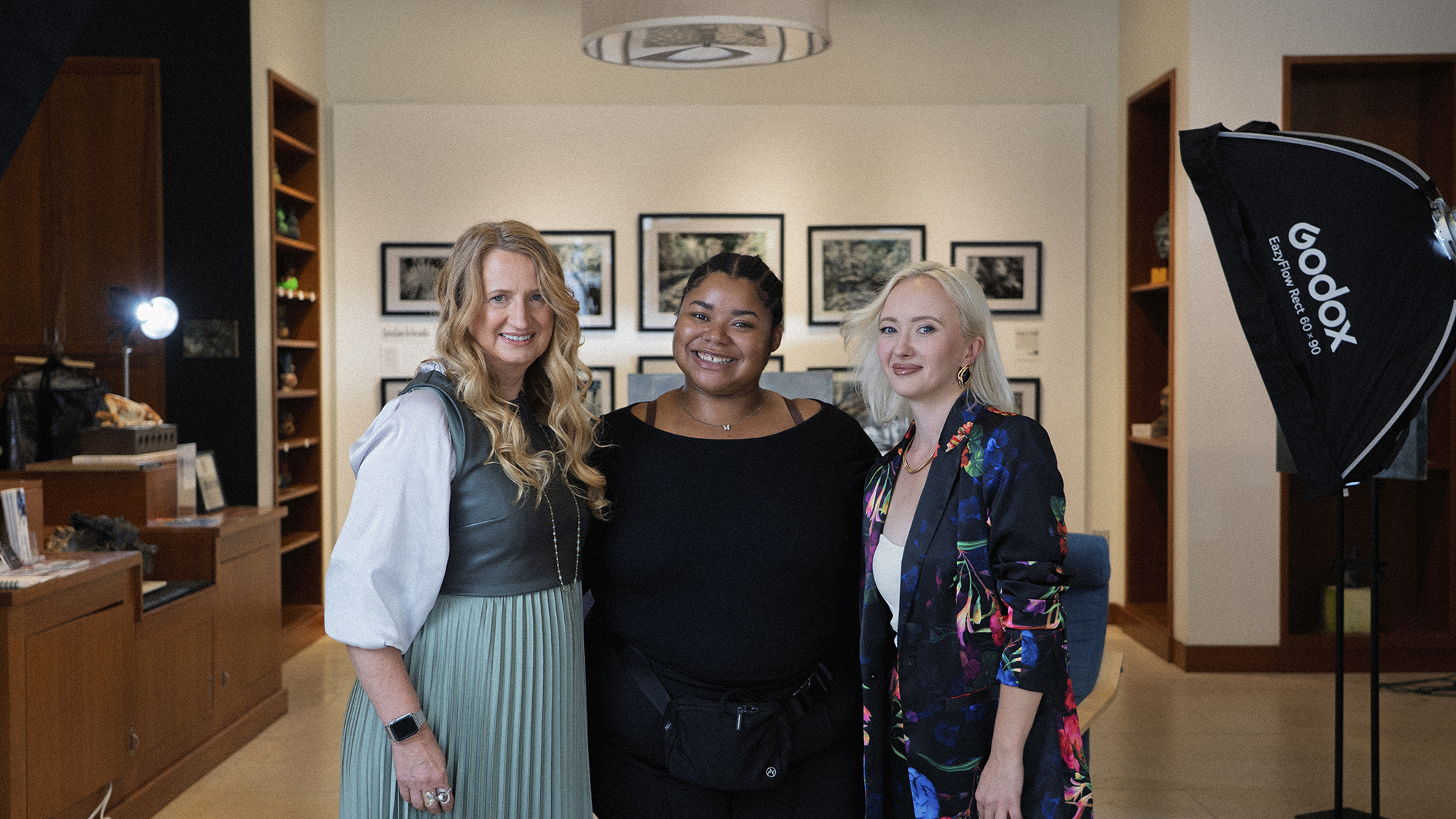
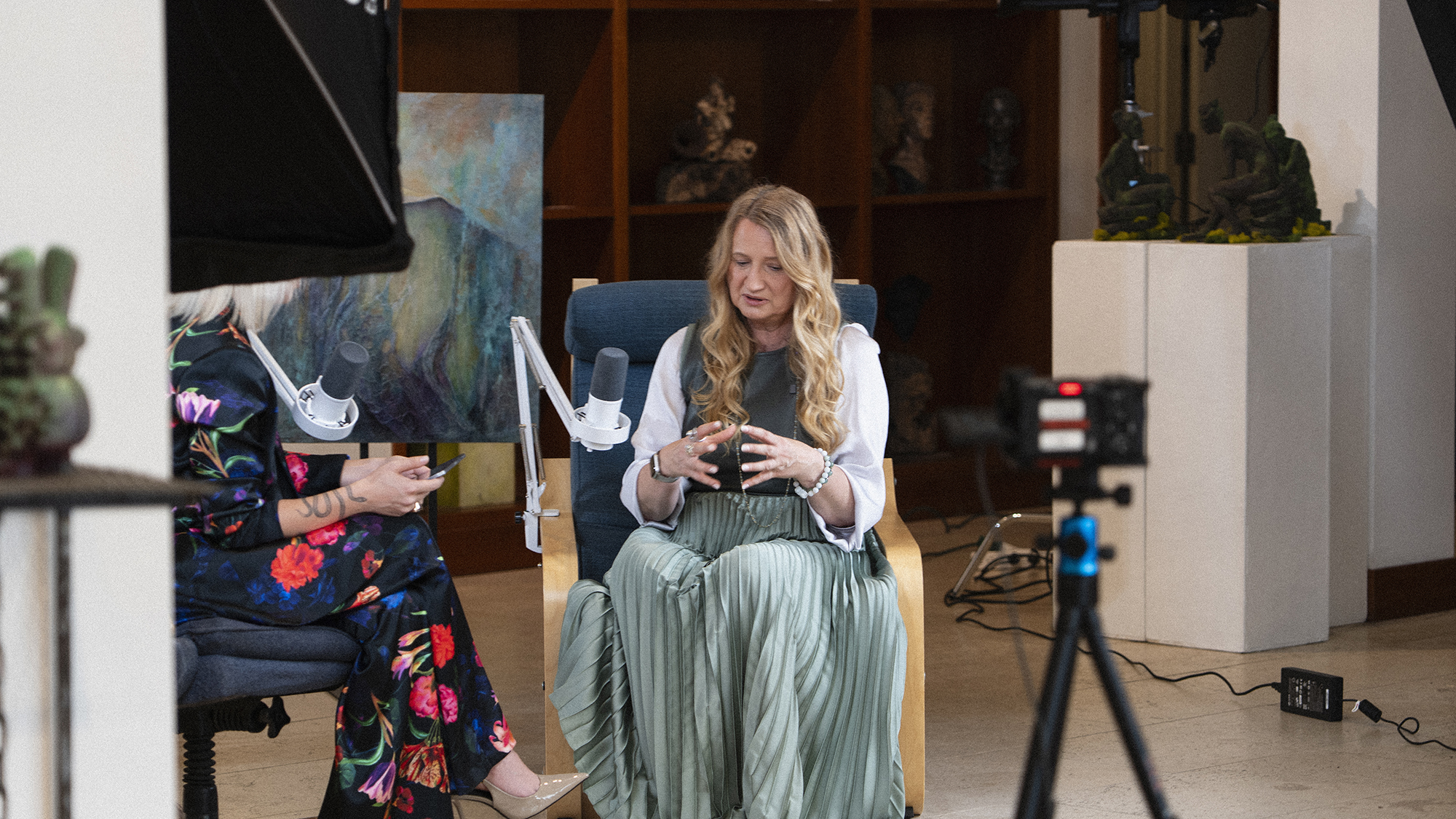
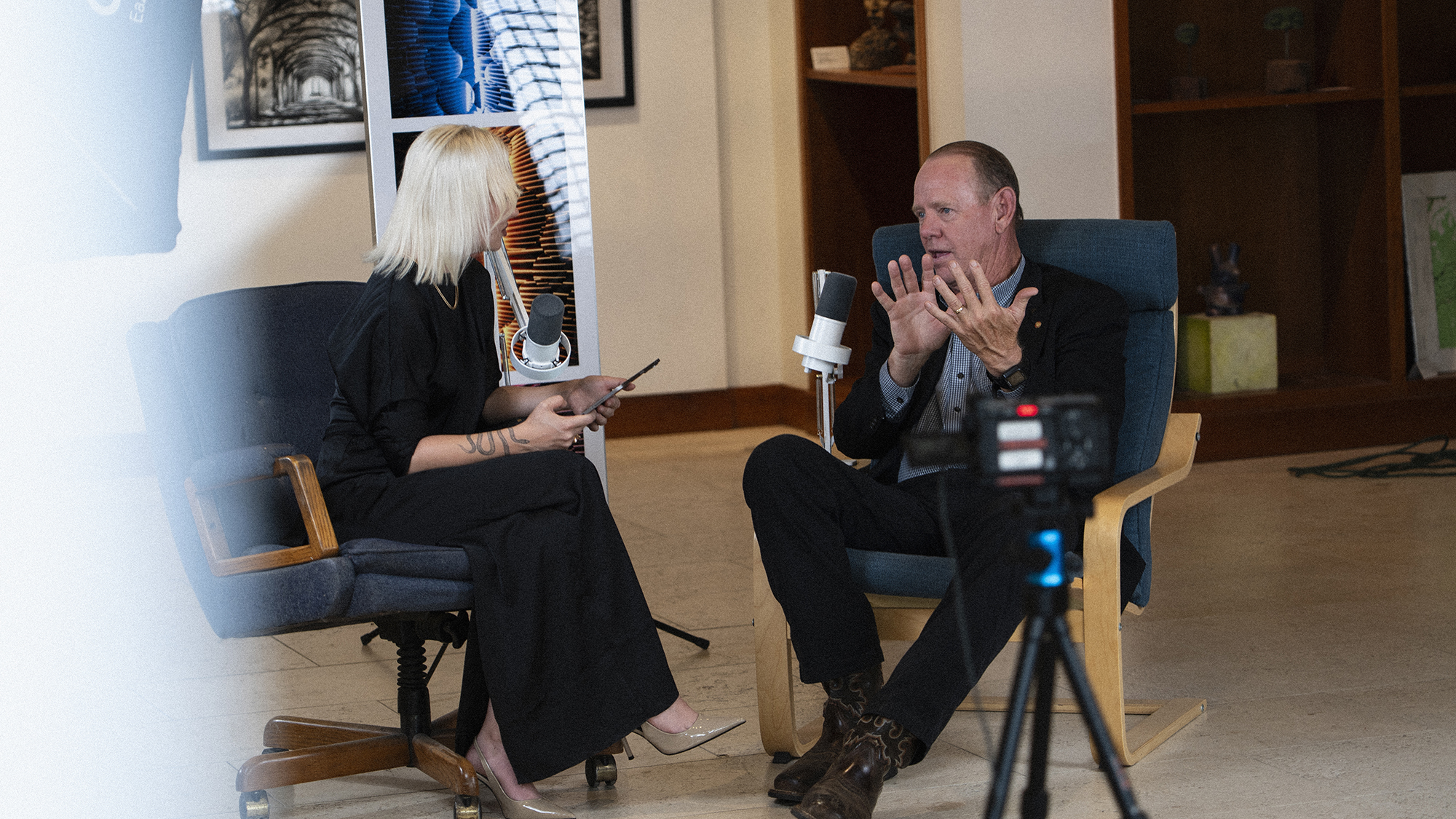
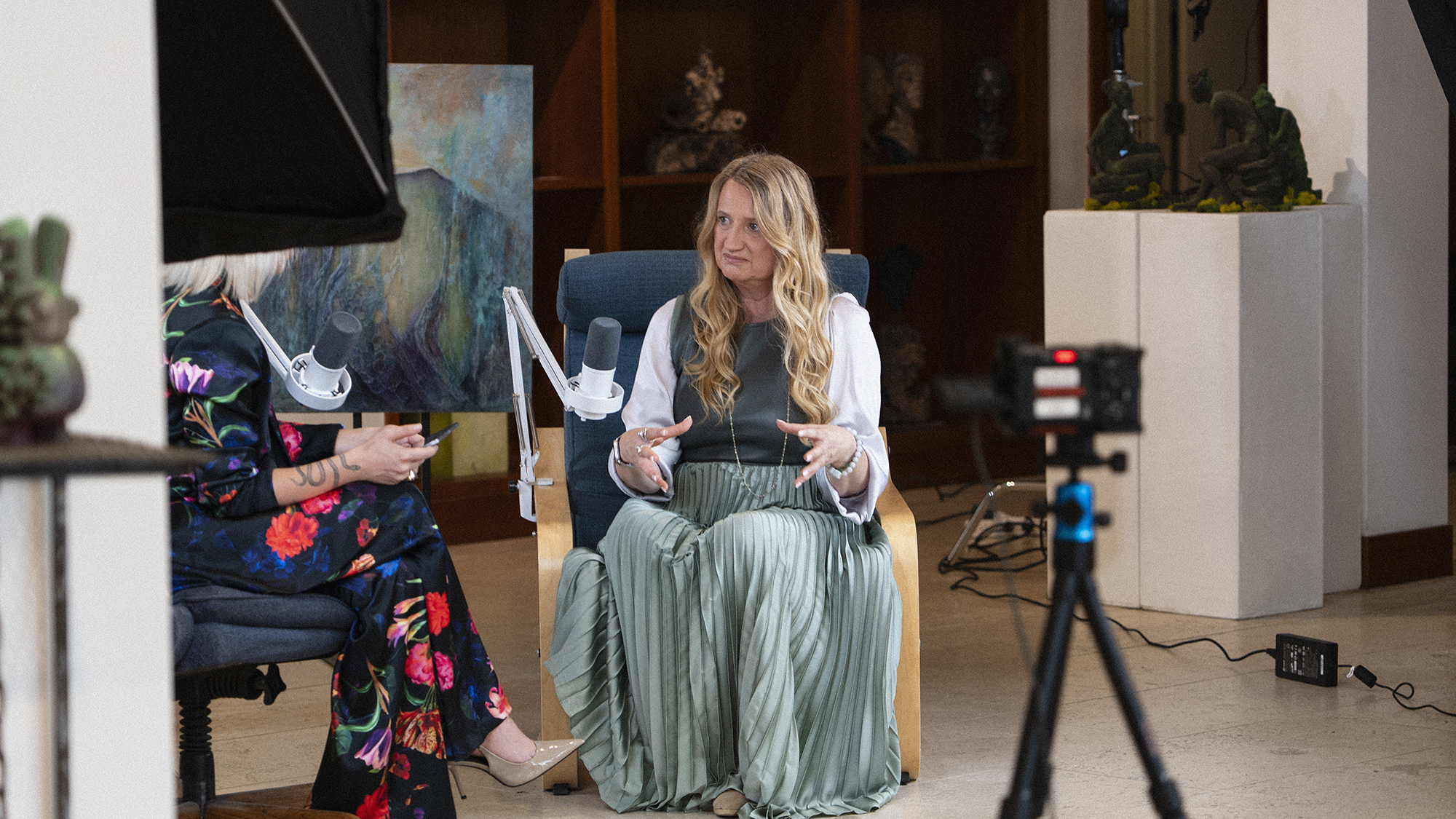
The first two interviews were filmed on September 21, 2026, at La Cumbre Center for Creative Arts in Santa Barbara, which joined the production as its venue and creative partner. The gallery provided a setting for conversations that connect professional knowledge with personal experience, reflecting the central idea of The White Room: a neutral space shaped by the perspective each guest brings into it.
The opening episode features Danuta Bennett, a scientist who studied ecology at Adam Mickiewicz University in Poznań, Poland, and earned a doctorate before establishing a research career in paleolimnology and aquatic ecology. Her scientific work included the study of lake history, freshwater ecosystems, algae, and the environmental effects of wildfires, including research at the University of California, Santa Barbara. After years in science, Bennett made a significant professional transition, pursuing a career as a visual artist without traditional formal training in art.
Her conversation examines how scientific reasoning and artistic intuition interact, which habits acquired through research remain valuable in creative work, and which can become limitations. It also addresses the challenge of rebuilding professional identity after developing expertise in an entirely different discipline. Having grown up in communist Poland before moving to the United States, Bennett brings an additional perspective on adaptation, independence, and the ability to reconsider established assumptions about one’s own capabilities.
The second episode features Michael Holliday, FAIA, principal architect at DMHA Architecture + Interior Design. His interview explores how architects make decisions under competing constraints, drawing on projects involving difficult terrain, environmental requirements, limited resources, and the transformation of existing structures. Holliday also discusses the influence of personal experience, including losing his home in the 1990 Painted Cave Fire and subsequently designing a replacement with wildfire resilience in mind.
Through projects such as Spyglass Ridge, Manzanita Village, and SYNERGY, the conversation examines the difference between improving an existing solution and recognizing that the underlying approach needs to change. The discussion moves beyond architecture to broader questions of professional judgment: how to identify the most consequential constraints, coordinate people with different expertise, find missing resources, and make decisions when no ideal solution is available. These are challenges familiar to business leaders, designers, entrepreneurs, and anyone responsible for navigating complex systems.
An Editorial Project at the Intersection of Disciplines
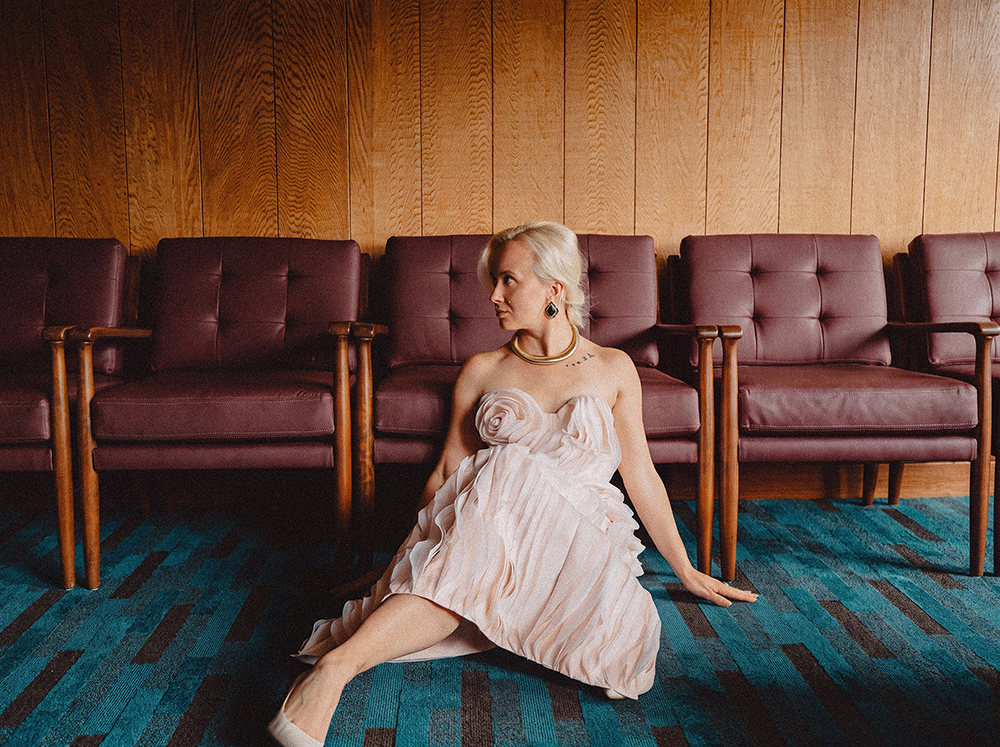
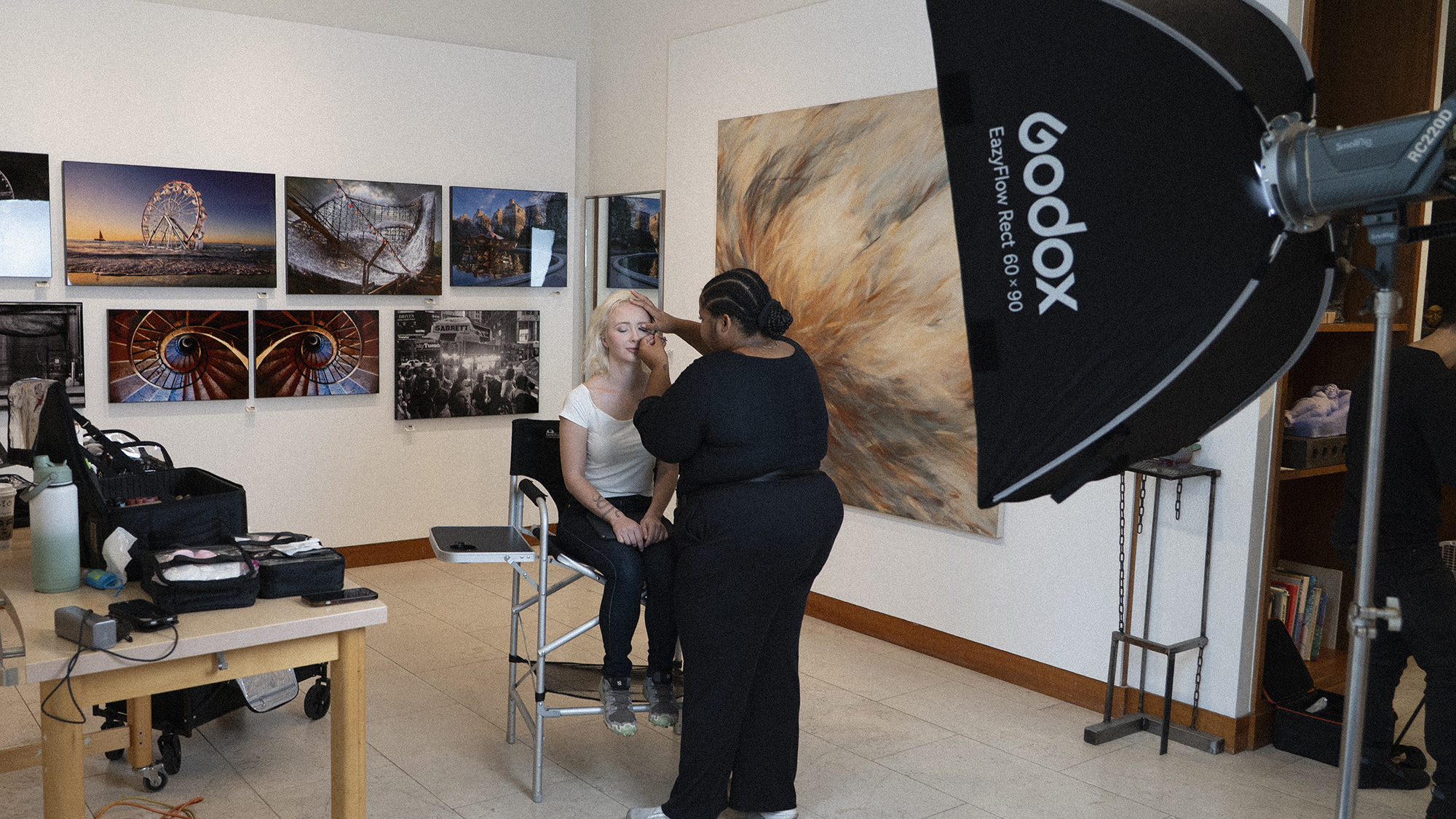
Although The White Room is fundamentally an interview series, its production brings together several areas of Santa Barbara’s creative community. The first filming sessions took place at La Cumbre Center for Creative Arts, with professional makeup and styling provided by Beauty Studio Inc. The visual environment was developed to complement the individuality of the guests and the subjects of their conversations without distracting from the interviews themselves.
Fashion curation is led by Elix Fióra®, the fashion and cultural maison also founded by Kolody. Its guiding concept, Culture of Intelligent Consumption, connects designer fashion with artistic value, cultural context, and a more considered relationship with personal style. The series’ visual identity incorporates SORAMAME, Kalisa, VETEMENTS, and other Elix Fióra® brands, integrating fashion into the project’s broader creative direction.
This combination of disciplines is intentional. The White Room approaches professional knowledge not as something confined to a particular industry, but as a source of ideas that can be transferred, challenged, and reinterpreted. A scientist’s methods of observation may reveal something useful about artistic practice. An architect’s approach to constraints may offer a new perspective on business strategy. The value of these conversations lies not simply in the expertise of the guests, but in understanding how that expertise was developed and how it can be applied elsewhere.
Extending the Conversation Beyond Commerce
For VESNA®, The White Room provides an opportunity to explore decision-making without limiting the discussion to customers, products, or commercial outcomes. The same underlying questions that inform our work — how people evaluate alternatives, respond to uncertainty, establish trust, and act within constraints — also appear throughout professional and personal life. By examining them through different disciplines, the series creates a broader context for understanding how experience becomes judgment.
The first season is scheduled to launch in fall 2026, with full-length interviews planned for publication twice a month on YouTube. Future conversations will feature entrepreneurs, executives, investors, scientists, architects, artists, and professionals from other fields. While the project is rooted in Santa Barbara, its purpose is to make the knowledge and experience of its guests accessible to an international audience.
The White Room is an independent editorial initiative, distinct from VESNA®’s commercial services but closely connected to the questions that have shaped our work. Its purpose is to move beyond the visible results of professional achievement and examine the thinking that makes those results possible.
The White Room