
Good Counsel, a New York menswear brand for big-and-tall men, was preparing to move from an atelier model into a full digital business with e-commerce and a subscription club. Before launch, the team needed to decide which collections to prioritize, how to shape the assortment, what the creative direction should become, and how to build the store around real customer interest. There was no online sales history, almost no behavioral data, and no budget for a separate research program from scratch.
So the task came down to one thing: find the missing signal inside resources the business already had.
Good Counsel had built up a substantial archive of professional photography — real customers, complete looks, individual products, colors, and combinations. The material had been created as visual content. Kate Kolody proposed giving it a second function: using it as a source of data about future buying decisions.
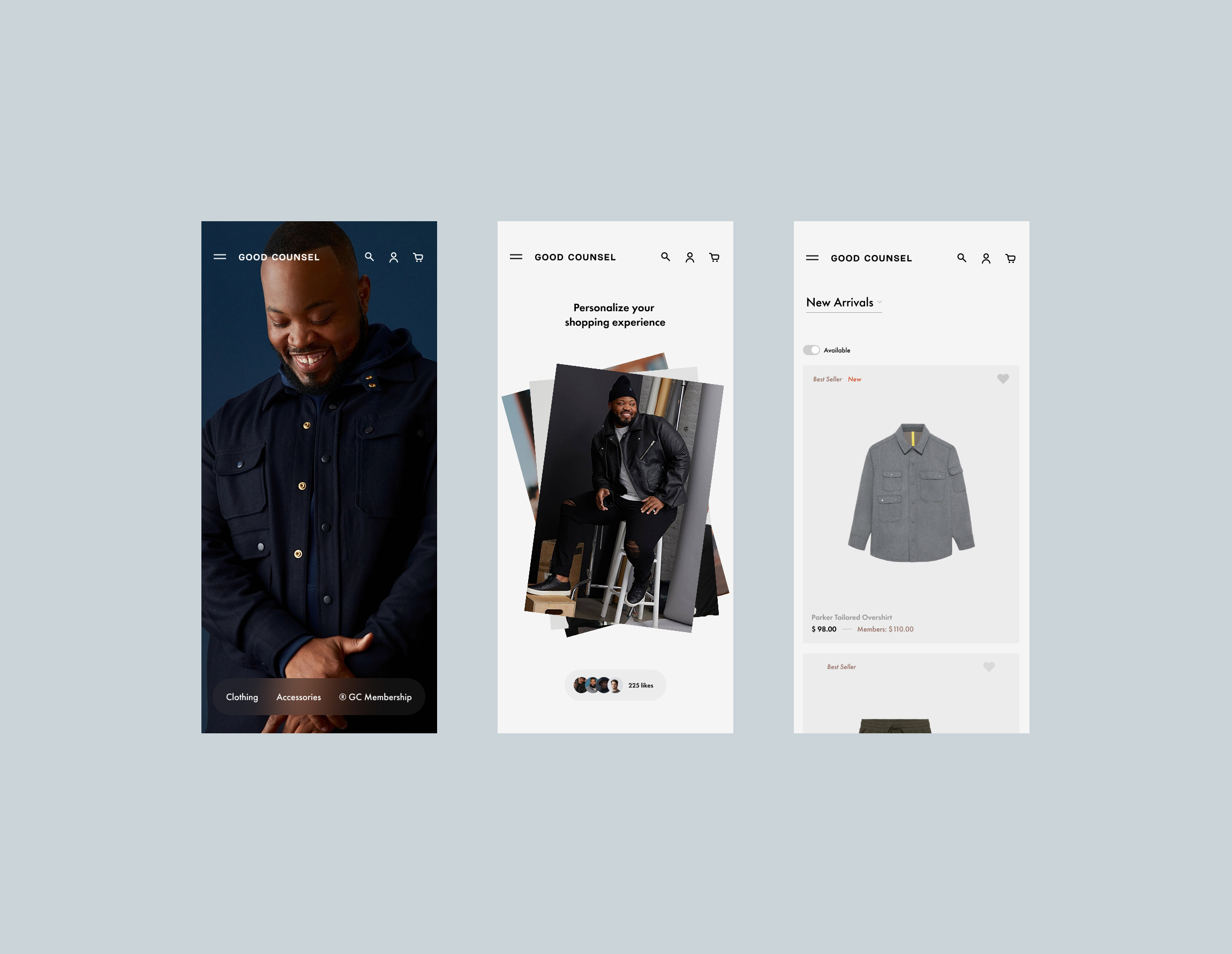
The existing photography became the foundation for a swipe-based flow modeled on Tinder. Users moved through one fashion look at a time and simply swiped on what they liked. No long questionnaires. No attempt to make people explain their taste in words. The choice itself became the signal.
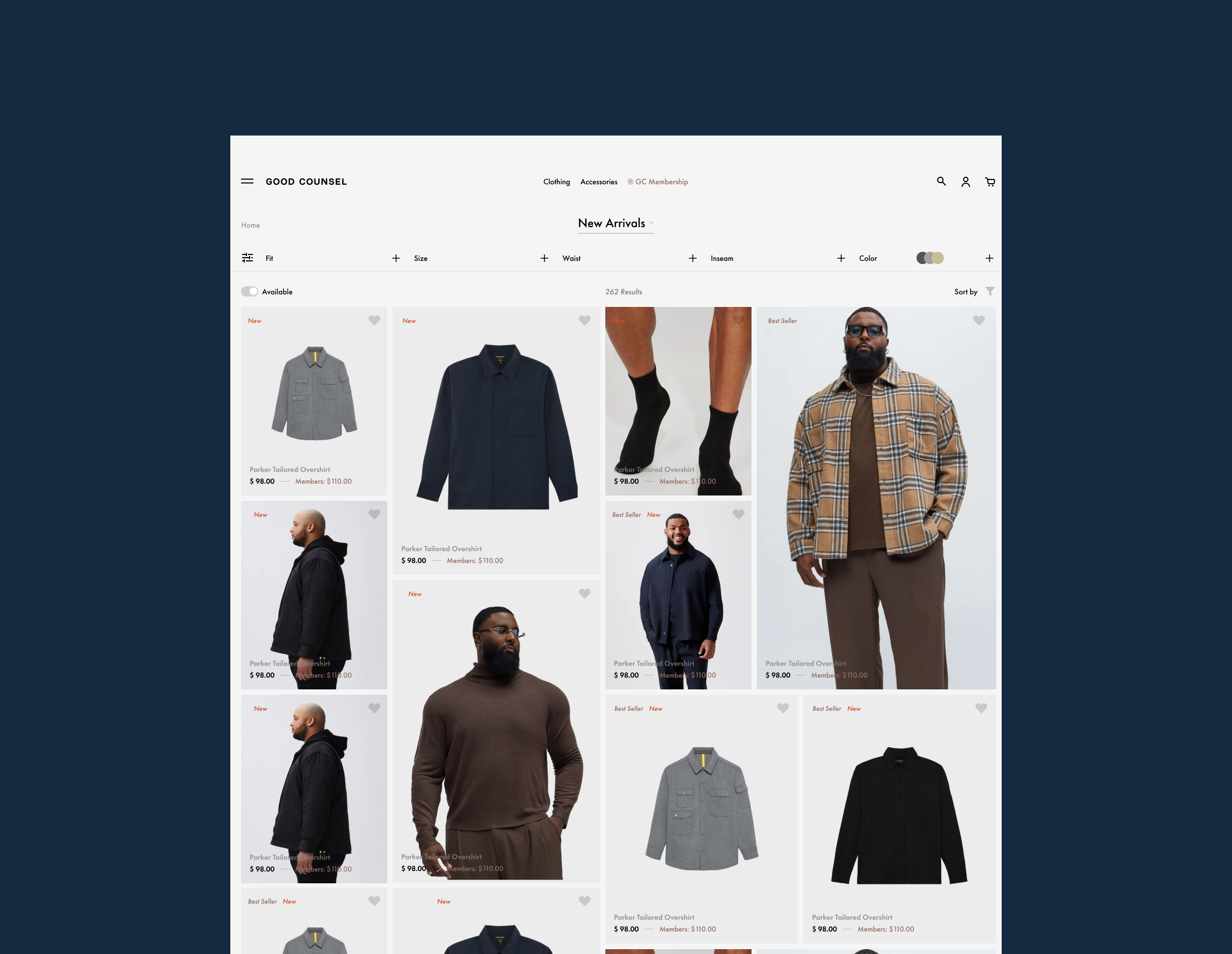
As responses accumulated, patterns began to emerge: which products generated stronger interest, which colors and styles appeared repeatedly among preferred looks, which pieces worked naturally together, and which directions deserved priority at launch. Because this information appeared before the store structure had been finalized, it could directly shape merchandising, assortment, and creative direction.
The mechanism continued beyond the first interaction. Users could save a style profile, receive a club card, and later return to the styles they had already shown interest in. That meant Good Counsel could understand part of a customer’s preference set before the first purchase and carry that context into the future store — through more relevant collection pages, product combinations, and natural upsell opportunities.
One existing resource was now performing several commercial functions at once. The photography still presented the product. The swipe mechanic created interaction. And every choice generated a new resource: data Good Counsel could not yet obtain from sales history because that history did not exist.
That was the point of impact: instead of creating a separate research process, Kate embedded data collection into an action that already had value for the user.
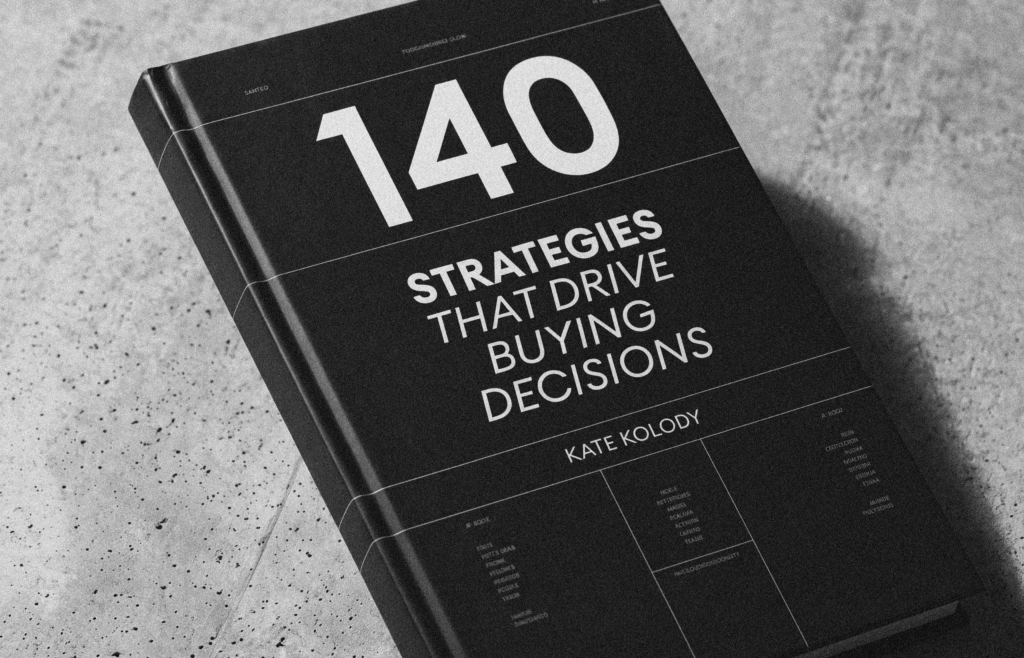
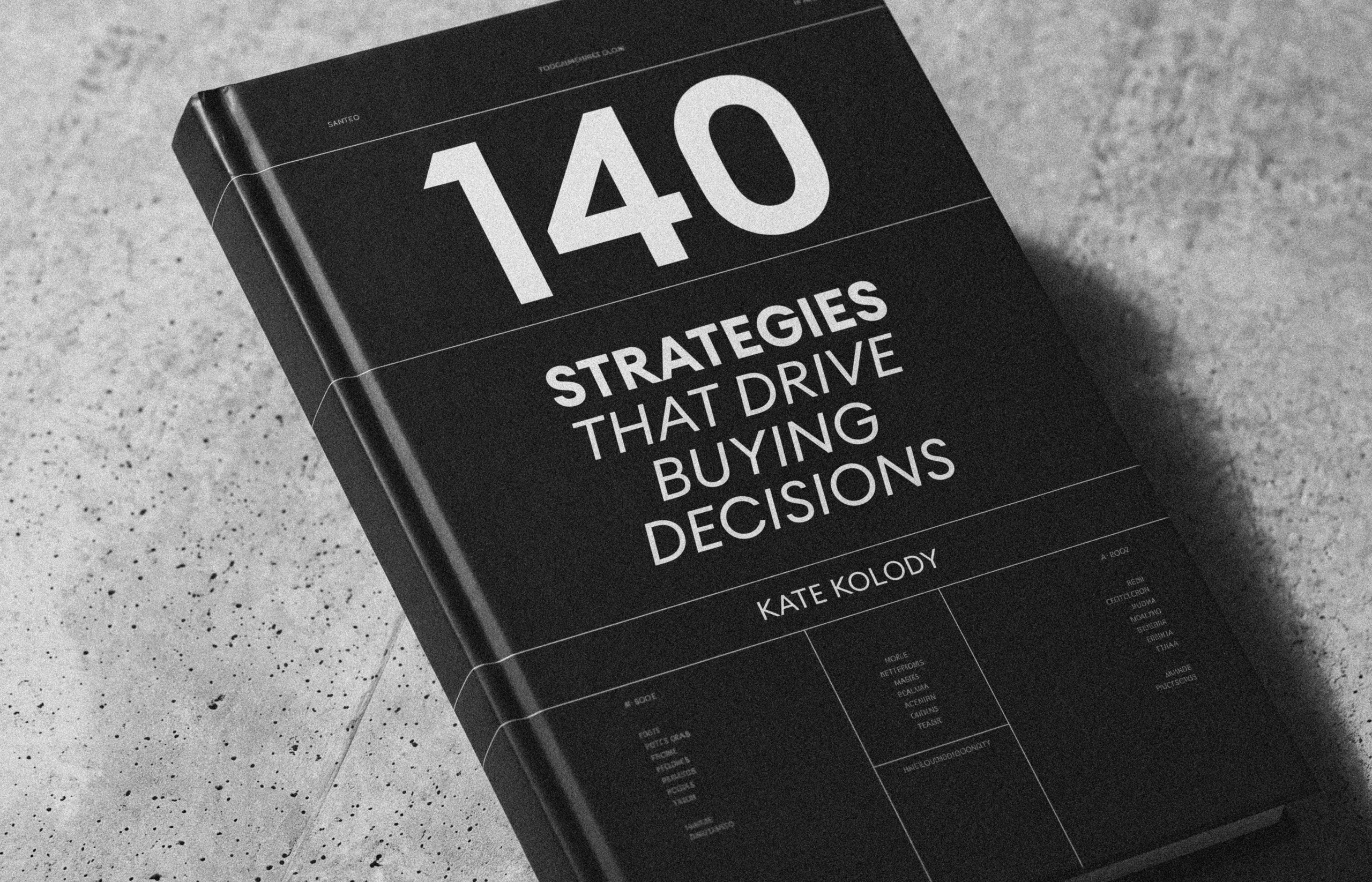
Kate Kolody later returned to the Good Counsel case to examine why the move worked as a commercial mechanism. She identified the resource, the contradiction, and the point of impact behind the solution, and from that analysis developed Strategy No. 15, “Byproduct Harvest,” for her book 140 Strategies That Drive Buying Decisions.
In the book, Kate takes the principle beyond a single fashion case: how to identify a resource already present inside a system, change its function, and generate a business-critical result without building a separate process to produce it.
For Good Counsel, that resource was its photography archive.
People were simply choosing the clothes they liked. Every swipe was also helping shape the store they would later shop.
More VESNA© Case Studies · VESNA© Methodology · 140 Strategies That Drive Buying Decisions